
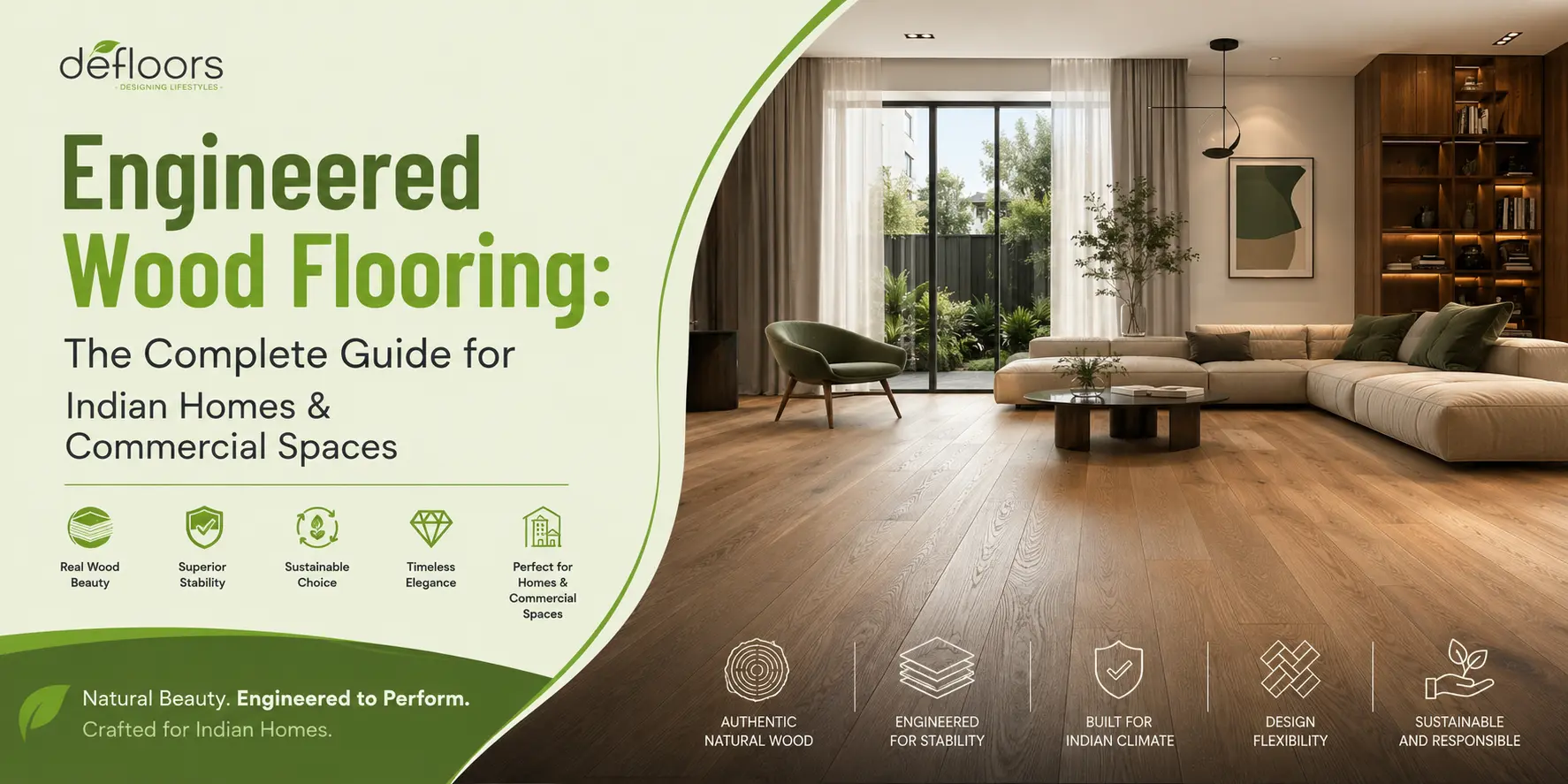
When it comes to creating elegant, timeless, and comfortable interiors, few materials can match the beauty of real wood. For decades, homeowners, architects, and designers have admired wooden flooring for its warmth, sophistication, and ability to transform ordinary spaces into premium living environments.
However, modern construction demands more than just aesthetics. Today’s flooring must also withstand changing climates, daily wear and tear, moisture fluctuations, and evolving design preferences. This is where engineered wood flooring has emerged as one of the most sought-after flooring solutions worldwide.
Combining the authentic beauty of hardwood with advanced manufacturing technology, engineered wood flooring offers a practical and durable alternative to traditional solid wood flooring. Whether you’re designing a luxury residence, upgrading an apartment, renovating a commercial office, or planning a hospitality project, engineered flooring delivers the perfect balance of style, stability, and long-term performance.
In India, where environmental conditions vary significantly between seasons and regions, engineered wood flooring has become an increasingly popular choice among homeowners and industry professionals seeking premium flooring that performs exceptionally well in real-world conditions.
This comprehensive guide explores everything you need to know about engineered wood flooring, from its construction and benefits to its suitability for Indian homes, installation considerations, and popular design options.
Key Takeaways
If you’re short on time, here are the most important things to know about engineered wood flooring:
- Engineered wood flooring features a real hardwood top layer supported by a multi-layer engineered core.
- It offers the authentic appearance and feel of natural wood.
- Its construction makes it more stable than traditional solid wood flooring.
- It performs exceptionally well in varying climatic conditions, making it suitable for many Indian cities.
- Available in a wide range of finishes, species, patterns, and plank sizes.
- Ideal for residential, commercial, hospitality, and luxury interior projects.
- Requires less maintenance than many people assume.
- Premium engineered flooring can last several decades when properly installed and maintained.
- It combines luxury aesthetics with practical durability.
- Increasingly preferred by architects, interior designers, and premium homeowners.
What Is Engineered Wood Flooring?
Engineered wood flooring is a premium flooring solution made from multiple layers of wood that are bonded together under high pressure to create a stable and durable floor covering.
Unlike solid hardwood flooring, which is manufactured from a single piece of timber, engineered wood flooring consists of several layers working together to improve performance and stability.
The visible surface layer is made from genuine hardwood, allowing the floor to retain the natural beauty, texture, and character of real wood. Beneath this layer are multiple engineered layers that provide structural support and help minimize the movement typically associated with natural timber.
Quick Definition
Engineered wood flooring is real wood flooring that combines a hardwood wear layer with a multi-layer engineered core to provide greater dimensional stability, durability, and suitability for modern environments.
Because the top surface is authentic hardwood, engineered flooring delivers the same luxurious appearance that homeowners expect from traditional wood floors.
The difference lies beneath the surface.
Its engineered construction helps reduce issues related to expansion, contraction, and moisture fluctuations, making it a preferred choice for many contemporary projects.
Why Has Engineered Wood Flooring Become So Popular?
The growing popularity of engineered flooring can be attributed to a simple reality.
People want the beauty of real wood without many of the limitations traditionally associated with solid hardwood flooring.
Modern homeowners want flooring that:
- Looks luxurious
- Lasts for years
- Performs well in changing climates
- Requires manageable maintenance
- Enhances property value
- Supports contemporary design aesthetics
Engineered wood flooring successfully addresses these expectations, which is why it has become one of the fastest-growing flooring categories globally.
The Evolution of Wooden Flooring
Historically, solid hardwood flooring was considered the gold standard.
While solid wood remains highly desirable, advances in manufacturing technology have enabled engineered flooring to offer many of the same visual benefits while addressing some practical challenges.
Today, many luxury residential developments, premium commercial projects, hotels, and architectural firms specify engineered wood flooring because it combines tradition with innovation.
How Is Engineered Wood Flooring Made?
Understanding how engineered wood flooring is constructed helps explain why it performs so well in a wide variety of environments.
Every layer serves a specific purpose.
Together, they create a flooring system designed for strength, stability, and long-term performance.
Top Wear Layer
The top layer is what most people see and experience.
This layer consists of genuine hardwood sourced from premium wood species such as:
- Oak
- Walnut
- Ash
- Maple
- Teak
- Hickory
Because it is real wood, every plank features unique grain patterns, textures, and natural variations.
This gives engineered flooring the authentic appearance that homeowners and designers love.
Why the Wear Layer Matters
The thickness of the wear layer plays a significant role in determining:
- Durability
- Refinishing potential
- Long-term lifespan
- Overall product quality
Generally speaking, thicker wear layers provide greater longevity and may allow refinishing during the floor’s life cycle.
This is one reason premium engineered flooring products often command higher prices than entry-level alternatives.
Core Construction
Beneath the hardwood surface lies the engineered core.
This is the heart of the product.
The core typically consists of multiple layers of high-quality plywood or hardwood arranged in a cross-grain configuration.
Each layer is positioned perpendicular to the adjacent layer.
This construction method creates exceptional structural stability.
Why Cross-Layer Construction Is Important
Natural wood expands and contracts as environmental conditions change.
The engineered core helps distribute these movements across multiple layers, significantly reducing dimensional changes.
Benefits include:
- Reduced warping
- Reduced cupping
- Improved stability
- Better moisture tolerance
- Enhanced performance in varying climates
This engineering advantage is one of the primary reasons many professionals recommend engineered flooring for modern residential and commercial projects.
Backing Layer
The bottom layer serves as the stabilizing foundation.
Although it is rarely visible after installation, it plays a critical role in maintaining balance throughout the flooring system.
The backing layer:
- Provides structural support
- Helps prevent distortion
- Improves durability
- Enhances overall stability
Together, these three components create a flooring solution capable of delivering both luxury and performance.
Benefits of Engineered Wood Flooring
Engineered wood flooring has earned its reputation because it offers a compelling combination of aesthetics, functionality, and long-term value.
Let’s explore the key advantages.
Authentic Natural Beauty
The biggest reason people choose engineered flooring is simple.
It looks beautiful.
Because the top layer is made from real hardwood, engineered flooring showcases:
- Natural grain patterns
- Rich textures
- Unique character variations
- Timeless visual appeal
No two planks are exactly alike, creating a sense of authenticity that synthetic alternatives struggle to replicate.
Superior Dimensional Stability
One of the biggest challenges with traditional wood flooring is movement caused by environmental changes.
Engineered flooring significantly reduces this concern.
Its layered construction helps maintain structural integrity even when temperature and humidity fluctuate.
For many Indian homes, this can be a major advantage.
Wide Design Flexibility
Engineered wood flooring is available in numerous styles.
Popular options include:
- Wide plank flooring
- Extra-long plank flooring
- Rustic finishes
- Brushed textures
- Matte finishes
- Natural finishes
- Herringbone patterns
- Chevron patterns
This flexibility allows homeowners and designers to achieve virtually any design aesthetic.
Enhanced Comfort Underfoot
Compared to many hard-surface flooring materials, wood provides a naturally warm and comfortable feel.
This contributes to:
- Improved walking comfort
- Reduced fatigue
- Enhanced living experience
- Better acoustic properties
Many homeowners immediately notice the difference when transitioning from tile-based interiors to wood flooring.
Long-Term Value
Premium flooring should be viewed as an investment rather than a short-term expense.
High-quality engineered flooring offers:
- Extended lifespan
- Timeless appeal
- Improved property aesthetics
- Potential value enhancement
Unlike trends that come and go, wooden flooring remains desirable across generations.
Suitable for Luxury Interiors
Luxury homes often emphasize materials that communicate quality and craftsmanship.
Engineered wood flooring aligns perfectly with this philosophy.
It is commonly used in:
- Luxury residences
- Villas
- Penthouses
- Premium apartments
- Designer homes
- Boutique commercial projects
Sustainability Benefits
Many engineered flooring products utilize timber resources more efficiently than traditional solid wood flooring.
This allows manufacturers to maximize the use of valuable hardwood species while reducing overall resource consumption.
For environmentally conscious homeowners, responsibly sourced engineered flooring can support sustainable design goals.
Is Engineered Wood Flooring Suitable for the Indian Climate?
One of the most frequently asked questions by Indian homeowners is:
“Will wooden flooring survive Indian weather conditions?”
The answer depends on the type of flooring.
When discussing engineered wood flooring specifically, the answer is often yes.
In fact, engineered flooring was developed largely to address environmental challenges associated with natural wood.
Understanding India’s Climate Challenges
India presents unique environmental conditions.
Depending on the region, flooring may experience:
- Extreme summer temperatures
- Monsoon humidity
- Dry winter conditions
- Air-conditioned environments
- Seasonal moisture fluctuations
These changes can affect traditional wood products.
Why Engineered Flooring Performs Better
The engineered core is specifically designed to improve stability.
Because the layers are arranged in opposing directions, they help counteract the natural movement of wood.
This makes engineered flooring more adaptable to changing environmental conditions.
Performance in Delhi NCR
For homeowners in:
- Delhi
- Gurgaon
- Noida
- Greater Noida
- Faridabad
- Ghaziabad
engineered wood flooring has become one of the most preferred premium flooring choices.
These cities experience:
- Hot summers
- Cool winters
- Monsoon humidity
The enhanced stability of engineered flooring makes it particularly well-suited to such conditions when installed correctly.
The Air Conditioning Factor
Modern homes increasingly rely on climate control systems.
Air conditioning can create significant indoor humidity variations.
Engineered flooring generally handles these fluctuations better than many traditional hardwood options.
Expert Perspective
Many architects and interior designers now specify engineered flooring precisely because it delivers the appearance of real wood while offering greater reliability in contemporary Indian living environments.
Where Can Engineered Wood Flooring Be Installed?
One of the reasons engineered flooring is so versatile is its ability to complement various interior environments.
Living Rooms
The living room often serves as the visual centerpiece of a home.
Engineered wood flooring creates:
- Warmth
- Sophistication
- Luxury appeal
- Visual continuity
It works beautifully with both contemporary and traditional interiors.
Bedrooms
Bedrooms benefit greatly from the comfort and warmth of wooden flooring.
Unlike colder surfaces, engineered flooring creates a cozy and inviting atmosphere that enhances relaxation and comfort.
Commercial Spaces
Wood flooring is no longer limited to residential environments.
Many businesses use engineered flooring to elevate their interiors.
Applications include:
- Corporate offices
- Boardrooms
- Executive suites
- Showrooms
- Premium retail stores
The natural aesthetic helps create a welcoming and professional environment.
Hospitality Projects
The hospitality industry frequently uses engineered wood flooring to enhance guest experiences.
Popular applications include:
- Luxury hotels
- Boutique hotels
- Resorts
- Serviced apartments
- Hospitality lounges
Its combination of elegance and durability makes it highly attractive for premium hospitality environments.
Popular Types of Engineered Wood Flooring
Not all engineered wood flooring looks the same.
Different wood species and installation patterns create dramatically different visual effects.
Oak Engineered Flooring
Oak remains one of the most popular choices worldwide.
Reasons include:
- Excellent durability
- Attractive grain patterns
- Design versatility
- Timeless appeal
Oak complements both modern and classic interiors.
Walnut Engineered Flooring
Walnut is known for its rich, luxurious appearance.
Its deeper tones create a sense of sophistication and exclusivity.
Walnut flooring is frequently selected for:
- Executive offices
- Luxury residences
- High-end hospitality spaces
Herringbone Flooring
Herringbone patterns create a distinctive zigzag layout that adds movement and visual interest.
The pattern has remained popular for centuries and continues to be associated with luxury architecture.
Chevron Flooring
Chevron flooring creates a continuous V-shaped pattern that delivers a highly refined and contemporary appearance.
Many architects choose chevron flooring when they want to create a statement feature within a space.
Its geometric precision adds elegance, depth, and visual impact while maintaining the natural beauty of real wood.
Engineered Wood Flooring vs Solid Wood Flooring
One of the most common questions homeowners ask during the flooring selection process is whether they should choose engineered wood flooring or solid wood flooring.
At first glance, both options appear remarkably similar because they feature genuine hardwood surfaces. However, their construction, performance characteristics, maintenance requirements, and suitability for different environments can vary significantly.
Understanding these differences is essential before making an investment that may remain part of your home or commercial space for decades.
Understanding Solid Wood Flooring
Solid wood flooring is manufactured from a single piece of natural timber.
Each plank is cut directly from hardwood species such as oak, walnut, maple, teak, or ash.
Because the plank consists entirely of natural wood, it retains all the inherent characteristics of timber, including its response to environmental changes.
Understanding Engineered Wood Flooring
Engineered flooring uses a genuine hardwood top layer supported by a multi-layer plywood or hardwood core.
The result is a product that delivers the visual appeal of real wood while providing enhanced structural stability.
Side-by-Side Comparison
| Feature | Engineered Wood Flooring | Solid Wood Flooring |
|---|---|---|
| Surface Appearance | Real Hardwood | Real Hardwood |
| Dimensional Stability | Excellent | Moderate |
| Climate Adaptability | High | Lower |
| Installation Flexibility | High | Moderate |
| Expansion & Contraction | Minimal | More Significant |
| Suitability for Indian Climate | Excellent | Requires More Care |
| Cost Efficiency | Better Value | Premium Cost |
| Refinishing Potential | Depends on Wear Layer | Multiple Times |
| Maintenance | Easier | Higher Maintenance |
Which Option Is Better for Modern Indian Homes?
For most contemporary residential and commercial projects, engineered wood flooring often delivers a better balance of:
- Luxury aesthetics
- Long-term performance
- Climate adaptability
- Ease of maintenance
While solid wood flooring remains a premium choice, engineered flooring provides many of the same visual benefits with greater practicality.
Expert Insight
Many luxury architects and interior designers increasingly specify engineered flooring because it combines traditional craftsmanship with modern engineering.
The result is a floor that performs reliably without sacrificing the beauty of natural wood.
Engineered Wood Flooring vs Laminate Flooring
Many buyers compare engineered wood flooring with laminate flooring because both are popular alternatives to traditional solid wood.
However, these products belong to entirely different categories.
What Is Laminate Flooring?
Laminate flooring consists of multiple layers, including:
- Protective wear layer
- Decorative image layer
- High-density core board
- Stabilising the backing layer
The decorative layer is a printed image designed to replicate the appearance of wood.
Key Difference
The most important distinction is simple:
Engineered flooring contains real wood.
Laminate flooring does not.
Comparison Table
| Feature | Engineered Wood Flooring | Laminate Flooring |
|---|---|---|
| Surface Material | Real Hardwood | Printed Wood Design |
| Authentic Texture | Yes | Limited |
| Luxury Appeal | High | Moderate |
| Lifespan | Long | Moderate |
| Property Value Enhancement | Higher | Moderate |
| Refinishing Potential | Possible | Not Possible |
| Visual Authenticity | Excellent | Good |
When to Choose Engineered Flooring
Engineered wood flooring is ideal for buyers seeking:
- Genuine wood aesthetics
- Premium interiors
- Long-term value
- Luxury appeal
- Architectural design quality
When Laminate Flooring Makes Sense
Laminate flooring may be suitable when:
- Budget is a primary concern
- Temporary renovations are planned
- Moderate visual upgrades are desired
Designer Perspective
For premium homes, villas, luxury apartments, and architect-designed interiors, engineered wood flooring generally delivers a more sophisticated and authentic finish.
Engineered Wood Flooring vs SPC Flooring
SPC flooring has gained substantial popularity in recent years due to its waterproof characteristics and practical benefits.
As a result, many homeowners compare SPC flooring with engineered wood flooring before making a decision.
What Is SPC Flooring?
SPC stands for Stone Plastic Composite.
It is a rigid core flooring material manufactured using limestone powder, stabilizers, and polymers.
SPC flooring is designed to provide:
- Waterproof performance
- Durability
- Ease of maintenance
Comparison Table
| Feature | Engineered Wood Flooring | SPC Flooring |
|---|---|---|
Material | Real Wood Surface | Stone Polymer Composite |
| Luxury Appeal | Premium | Moderate |
| Authentic Wood Feel | Yes | No |
| Waterproof | Water Resistant | Waterproof |
| Comfort Underfoot | Excellent | Good |
| Acoustic Performance | Better | Moderate |
Natural Warmth | High | Moderate |
| Visual Authenticity | Real Wood | Wood-Look Design |
Which Is Better?
The answer depends on project goals.
Choose engineered wood flooring if:
- Luxury aesthetics matter
- Authentic wood appearance is important
- Premium interior design is the objective
- Long-term value is a priority
Choose SPC flooring if:
- Maximum waterproofing is required
- Utility areas are involved
- Maintenance simplicity is the top priority
Commercial Application Perspective
Many commercial projects use a combination of both products.
Premium customer-facing areas may utilize engineered flooring, while utility-focused zones may benefit from SPC flooring.
Engineered Wood Flooring Installation Process
Even the highest-quality flooring can underperform if installed incorrectly.
Professional installation plays a critical role in ensuring long-term performance, aesthetics, and durability.
Step 1: Site Inspection
Every successful flooring project begins with a comprehensive site evaluation.
Professionals assess:
- Subfloor condition
- Moisture levels
- Surface flatness
- Environmental conditions
- Installation requirements
This stage helps identify potential issues before installation begins.
Step 2: Subfloor Preparation
The subfloor serves as the foundation of the flooring system.
An uneven or unstable subfloor can create:
- Gaps
- Noise
- Premature wear
- Structural issues
Proper preparation ensures a smooth and stable installation.
Step 3: Acclimatization
One of the most overlooked aspects of flooring installation is acclimatization.
The flooring material should be allowed to adapt to site conditions before installation.
This process helps minimize future movement.
Step 4: Installation Method Selection
Several installation techniques may be used depending on project requirements.
Floating Installation
The planks connect together while remaining unattached to the subfloor.
Advantages:
- Faster installation
- Reduced disruption
- Easy replacement
Glue-Down Installation
The flooring is bonded directly to the subfloor.
Advantages:
- Enhanced stability
- Reduced movement
- Premium feel
Click-Lock Installation
A modern installation method using interlocking mechanisms.
Advantages:
- Efficient installation
- Precise alignment
- Reduced installation time
Step 5: Expansion Gaps
Even engineered flooring requires expansion space around room perimeters.
These gaps accommodate natural movement and help preserve long-term performance.
Step 6: Final Inspection
After installation, the flooring is inspected for:
- Alignment
- Surface quality
- Stability
- Finish consistency
A professional inspection ensures the finished floor meets quality standards.
Common Installation Mistakes to Avoid
Many flooring problems originate from avoidable installation errors.
Ignoring Moisture Testing
Moisture is one of the biggest threats to wood flooring.
Skipping moisture testing can result in future issues.
Choosing Inexperienced Installers
Installation quality directly influences:
- Appearance
- Durability
- Lifespan
Professional expertise matters.
Poor Subfloor Preparation
Uneven surfaces often lead to premature flooring problems.
Skipping Acclimatization
Failing to acclimatize flooring properly can increase movement after installation.
Prioritizing Cost Over Quality
Cheaper installation solutions often create expensive long-term problems.
Engineered Wood Flooring Maintenance Tips
One reason engineered wood flooring remains popular is its manageable maintenance requirements.
With proper care, it can retain its beauty for decades.
Daily Maintenance
Simple habits make a significant difference.
Recommended practices include:
- Dust removal
- Soft sweeping
- Vacuuming with appropriate attachments
Regular cleaning prevents abrasive particles from damaging the surface.
Spill Management
Accidents happen.
Prompt cleanup helps protect the floor and preserve its finish.
Furniture Protection
Use felt pads beneath:
- Chairs
- Tables
- Sofas
- Cabinets
This reduces scratching and surface wear.
Entryway Protection
Doormats help minimize:
- Dirt
- Sand
- Moisture
This simple step can significantly extend floor life.
Avoid Excessive Water
Although engineered flooring offers improved stability, excessive moisture should always be avoided.
Use cleaning methods recommended by flooring professionals.
Recommended Maintenance Schedule
Daily
- Remove dust and debris.
Weekly
- Vacuum or clean using recommended products.
Monthly
- Inspect high-traffic areas.
Quarterly
- Evaluate protective pads and furniture placement.
Annually
- Conduct professional inspection if required.
Consistent maintenance preserves appearance and performance.
How Long Does Engineered Wood Flooring Last?
Lifespan is one of the most important considerations for flooring buyers.
The good news is that premium engineered flooring is designed for long-term use.
Average Lifespan
High-quality engineered wood flooring can often last:
20–40 years or more
with proper care and professional installation.
Factors Affecting Lifespan
Wear Layer Thickness
Thicker wear layers generally support longer service life.
Product Quality
Premium products typically offer superior construction and durability.
Installation Quality
Correct installation reduces future problems.
Maintenance Practices
Proper care helps maximize longevity.
Traffic Levels
Residential and commercial environments experience different wear patterns.
Can Engineered Flooring Be Refinished?
Many premium engineered flooring products can be refinished depending on:
- Wear layer thickness
- Product specifications
- Overall floor condition
This can significantly extend the usable life of the floor.
Long-Term Investment Perspective
When evaluated over decades rather than years, engineered wood flooring often provides excellent value.
Its combination of durability, timeless appeal, and enduring demand makes it one of the most attractive premium flooring investments available.
Engineered Wood Flooring Cost in India
Cost is often one of the first questions homeowners ask.
However, focusing only on the purchase price can be misleading.
The true value of flooring should be evaluated over its entire lifecycle.
Factors Influencing Cost
Several variables impact pricing.
Wood Species
Premium hardwood species generally command higher prices.
Examples include:
- European Oak
- Walnut
- Ash
- Exotic hardwoods
- Wear Layer Thickness
Thicker wear layers often indicate higher product quality and longer lifespan.
Finish Quality
Advanced finishes improve:
- Durability
- Scratch resistance
- Visual appeal
Design Patterns
Specialized layouts such as:
- Herringbone
Chevron
typically involve additional manufacturing and installation complexity.
Imported Collections
Premium imported flooring often reflects higher quality standards, design sophistication, and advanced manufacturing processes.
Looking Beyond Initial Cost
The most important question is not:
“How much does it cost today?”
Instead ask:
“What value will it provide over the next 20 to 40 years?”
Consider:
- Longevity
- Maintenance requirements
- Design appeal
- Property enhancement
- Occupant comfort
Premium flooring often proves more economical than lower-quality alternatives when viewed from a long-term perspective.
Expert Buying Advice
Avoid selecting flooring solely based on the lowest price.
Evaluate:
- Product quality
- Installation expertise
- Supplier credibility
- Warranty support
- Long-term performance
These factors often have a greater impact on satisfaction than initial purchase cost alone.
How to Choose the Right Engineered Wood Flooring
Choosing engineered wood flooring involves more than selecting a color or finish. The right flooring should align with your lifestyle, interior design vision, project requirements, and long-term expectations.
A well-informed decision can deliver decades of beauty and performance, while the wrong choice may lead to disappointment despite investing in a premium product.
Here’s how to evaluate engineered flooring like a professional.
Define Your Design Style
Start by identifying the overall design direction of your space.
Different wood tones create very different atmospheres.
Light Tones
Ideal for:
- Modern interiors
- Scandinavian-inspired homes
- Contemporary apartments
- Minimalist spaces
Light oak and natural finishes often make rooms feel larger and brighter.
Medium Tones
Suitable for:
- Transitional interiors
- Family homes
- Versatile design schemes
These shades work with a broad range of furniture and décor styles.
Dark Tones
Perfect for:
- Luxury residences
- Executive offices
- Statement interiors
- High-end hospitality environments
Walnut and darker finishes create depth, richness, and sophistication.
Consider Room Usage
Not every room experiences the same level of activity.
Think about:
- Foot traffic
- Furniture movement
- Family size
- Pets
- Children
High-traffic spaces may benefit from more durable finishes and thicker wear layers.
Evaluate Wear Layer Thickness
One of the most important quality indicators in engineered flooring is the wear layer.
A thicker wear layer generally provides:
- Improved longevity
- Better refinishing potential
- Enhanced durability
- Greater long-term value
While budget products may appear attractive initially, premium construction often delivers superior performance over time.
Understand Surface Finishes
The finish influences both aesthetics and maintenance.
Common options include:
Matte Finish
Offers:
- Natural appearance
- Contemporary look
- Reduced glare
- Better concealment of minor scratches
Satin Finish
Provides:
- Balanced elegance
- Moderate sheen
- Timeless appeal
Textured Finish
Creates:
- Authentic wood character
- Enhanced visual depth
- Greater resistance to visible wear
Match Flooring to Lifestyle
The best flooring is the one that complements how you actually live.
Ask yourself:
- Do you frequently entertain guests?
- Do you have children?
- Do you have pets?
- Is maintenance simplicity important?
- Are you designing a forever home?
These practical considerations often matter more than trends.
Work With Flooring Specialists
Perhaps the most overlooked decision is choosing the right flooring partner.
A reputable flooring specialist can help with:
- Product selection
- Design consultation
- Technical recommendations
- Installation guidance
- After-sales support
Expert guidance often prevents costly mistakes and ensures the flooring performs as expected.
Architect Insights: Why Designers Increasingly Prefer Engineered Wood Flooring
Over the last decade, engineered wood flooring has become a preferred specification among architects and interior designers worldwide.
This shift is not accidental.
It reflects changing priorities in modern construction and interior design.
Better Design Flexibility
Engineered flooring is available in:
- Wide planks
- Long planks
- Chevron patterns
- Herringbone layouts
- Custom finishes
This flexibility allows designers to create unique visual experiences.
Greater Project Predictability
Architects value materials that perform consistently.
The enhanced stability of engineered flooring helps reduce risks associated with environmental changes.
Luxury Without Compromise
Clients increasingly want:
- Premium aesthetics
- Long-term durability
- Lower maintenance
Engineered flooring successfully balances these objectives.
Sustainability Considerations
Sustainable design is becoming increasingly important.
Many premium engineered flooring products utilize timber resources more efficiently while maintaining the beauty of natural wood.
For environmentally conscious projects, this can be a significant advantage.
Commercial Applications of Engineered Wood Flooring
Although many people associate wooden flooring with homes, engineered flooring performs exceptionally well across a wide range of commercial environments.
Corporate Offices
Modern offices increasingly prioritize employee experience.
Wood flooring helps create environments that feel:
- Warm
- Professional
- Sophisticated
- Welcoming
Executive cabins, boardrooms, and collaborative spaces often benefit significantly from premium wood flooring.
Hospitality Spaces
Hotels and resorts rely heavily on atmosphere.
Engineered flooring contributes to:
- Luxury perception
- Guest comfort
- Premium aesthetics
- Memorable experiences
Many hospitality brands use engineered flooring to reinforce their design identity.
Retail Environments
In premium retail settings, customer perception matters.
Wood flooring can help communicate:
- Quality
- Exclusivity
- Craftsmanship
- Brand value
This is particularly relevant for luxury retail and lifestyle brands.
Showrooms and Experience Centers
Businesses frequently use engineered flooring in showrooms because it creates an inviting environment while showcasing attention to detail.
Common Mistakes Buyers Make When Choosing Engineered Flooring
Even experienced buyers occasionally make mistakes.
Avoiding these pitfalls can save time, money, and frustration.
Choosing Based on Price Alone
Low-cost products may appear attractive initially.
However, flooring should be evaluated based on:
- Lifespan
- Quality
- Installation support
- Long-term value
The cheapest option often becomes the most expensive over time.
Ignoring Installation Expertise
Premium flooring deserves professional installation.
A high-quality product installed poorly can underperform dramatically.
Focusing Only on Appearance
Beautiful flooring is important.
Performance is equally important.
Always evaluate:
- Construction quality
- Wear layer thickness
- Stability
- Supplier reputation
Overlooking Future Needs
Flooring should support not just today’s lifestyle but tomorrow’s as well.
Consider:
- Family growth
- Property value
- Future renovations
- Long-term maintenance
Why Homeowners, Architects & Builders Trust Defloors
Selecting the right flooring supplier is just as important as selecting the right flooring product.
The flooring partner you choose influences everything from product quality and design guidance to installation success and long-term satisfaction.
For over a decade, Defloors has helped homeowners, architects, interior designers, builders, and commercial property owners bring exceptional spaces to life through premium flooring solutions.
One of India’s Largest Importers of Premium Wooden Flooring
Defloors is recognized as one of India’s leading importers of premium wooden flooring.
This allows access to:
- International collections
- Global flooring trends
- Advanced manufacturing standards
- Diverse design options
Customers benefit from flooring solutions that combine world-class craftsmanship with contemporary design.
Over a Decade of Excellence
Since 2013, Defloors has served thousands of customers across residential and commercial projects.
This experience provides valuable insight into:
- Flooring performance
- Project execution
- Design requirements
- Customer expectations
Industry Expertise
The company is led by a seasoned flooring professional with over 17 years of industry experience.
This expertise supports:
- Product selection
- Technical guidance
- Installation recommendations
- Project consultation
Customer-First Approach
Every project is unique.
Defloors focuses on understanding client requirements and providing personalized recommendations rather than promoting one-size-fits-all solutions.
Customers benefit from:
- Expert consultation
- Product education
- Design guidance
- Installation support
Global Quality Standards
Defloors sources premium flooring products from around the world while maintaining a strong commitment to quality.
Every collection is selected with a focus on:
- Durability
- Performance
- Design excellence
- Long-term value
Sustainable Flooring Solutions
Responsible sourcing and sustainability are increasingly important considerations for modern consumers.
Defloors supports environmentally conscious choices through carefully selected flooring solutions that align with responsible sourcing principles.
Final Thoughts
Engineered wood flooring has transformed the way modern homes and commercial spaces incorporate the beauty of natural wood.
By combining genuine hardwood surfaces with advanced engineering, it offers an exceptional balance of aesthetics, durability, stability, and long-term value.
Whether you’re designing a luxury residence, renovating an apartment, planning a commercial project, or creating a hospitality environment, engineered flooring provides a timeless foundation that enhances both appearance and functionality.
The key is choosing high-quality products, professional installation, and expert guidance throughout the process.
Ready to Explore Premium Engineered Wood Flooring?
If you’re planning a new project and want expert advice on selecting the ideal engineered wood flooring solution, connect with the flooring specialists at Defloors.
With premium imported collections, global design inspiration, personalized consultation, and professional installation support, Defloors helps homeowners, architects, builders, and commercial property owners create spaces that stand the test of time.
Contact Defloors today to discuss your project and discover the perfect engineered wood flooring for your space.
Frequently Asked Questions
Engineered wood flooring is a real wood flooring product consisting of a hardwood top layer supported by a multi-layer engineered core.
Yes. The visible surface layer is genuine hardwood.
Both have advantages. Engineered flooring often offers greater stability and climate adaptability, making it highly suitable for modern homes and commercial spaces.
Yes. Its multi-layer construction helps improve dimensional stability in changing environmental conditions.
Yes. It is widely used across Delhi, Gurgaon, Noida, Greater Noida, Faridabad, and Ghaziabad.
Premium engineered flooring can last 20 to 40 years or more when properly installed and maintained.
Many premium products can be refinished depending on the thickness of the wear layer.
Yes. It is commonly used in offices, hotels, retail stores, showrooms, and hospitality projects.
Premium wooden flooring often enhances the visual appeal and perceived value of a property.
No. Regular cleaning and basic maintenance are typically sufficient to preserve its appearance.
Absolutely. It is one of the most popular flooring solutions for luxury residences worldwide.
Engineered flooring contains real wood, while laminate flooring uses a printed decorative layer designed to imitate wood.
Engineered flooring offers a real wood surface and premium aesthetics, while SPC flooring focuses on waterproof performance and practicality.
Consider factors such as room usage, design style, wear layer thickness, finish quality, and supplier expertise.
Working with experienced flooring specialists who offer premium imported collections, expert consultation, and professional installation support can help ensure the best results.